Aluminium Composite Panel (ACP) Cladding in Riyadh
Aluminium composite panel cladding for building facades, shopfront fascias and signage structures — routed, folded and installed to a clean, flat, weather-tight finish.
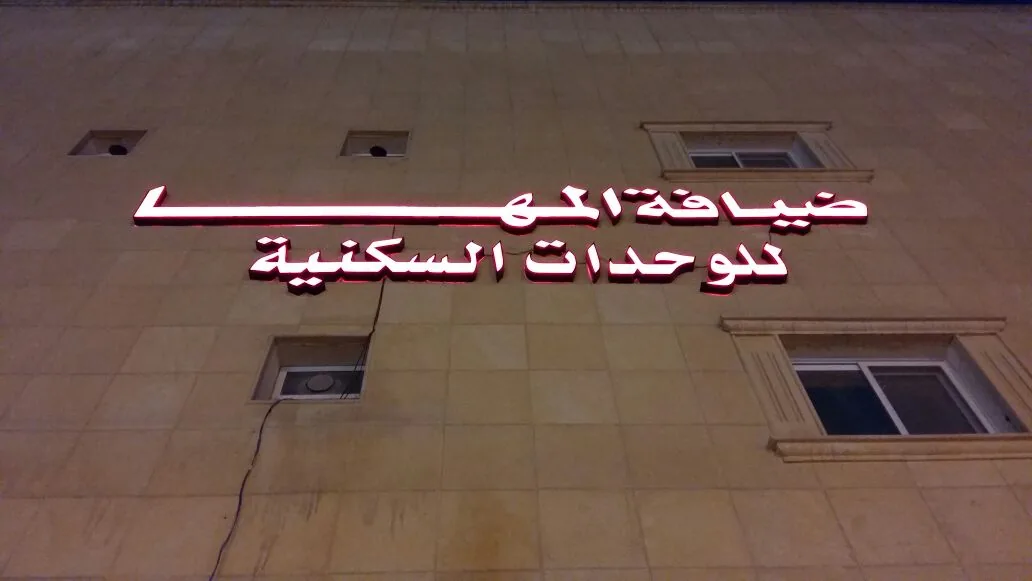
ACP cladding and fabrication in Riyadh
Aluminium composite panel is two thin aluminium skins bonded to a mineral or polyethylene core. It stays perfectly flat over large spans, weighs a fraction of solid metal, and can be routed and folded into crisp three-dimensional forms — which is why it has become the default facade and fascia material across Riyadh.
Applications
- Building facades — full elevation cladding on a ventilated aluminium sub-frame.
- Shopfront fascias — the clean panel band that carries your 3D letters or lightbox.
- Signage boards and structures — pylon signs, totems, monument signs and directory boards.
- Column and soffit cladding — wrapping structural columns and canopy undersides.
- Interior feature walls — reception backdrops and lift lobby finishes.
- Canopies and entrance features.
Panel specification
| Property | Options | Notes |
|---|---|---|
| Total thickness | 3 mm / 4 mm / 6 mm | 4 mm is the facade standard |
| Skin thickness | 0.3 – 0.5 mm | 0.5 mm for exterior durability |
| Core type | PE, FR (fire-retardant), A2 | FR or A2 for high-rise and public buildings |
| Finish | PVDF, PE coating | PVDF for exterior — far better UV stability |
| Colours | Solid, metallic, brushed, timber, stone | Custom RAL matching available |
| Warranty | 10–20 years on coating | Depends on brand and finish |
Fire safety — an important note
Not all ACP is equal. Standard polyethylene-core panel is combustible. For high-rise, public and commercial buildings we strongly recommend fire-retardant (FR) or mineral A2 core panel, and we will specify it by default on any project where occupancy or height makes it appropriate. If a supplier is quoting you a suspiciously low facade price, the core type is usually the reason — ask.
Installation method
We install on a ventilated aluminium sub-frame with a cassette or tray system rather than direct-fixing panels to the wall. This allows thermal movement, creates a drained and back-ventilated cavity, and means an individual panel can be removed later for service without disturbing its neighbours.
Aluminium Composite Panel (ACP) Cladding — 10 Projects
Questions About Aluminium Composite Panel (ACP) Cladding
What is aluminium composite panel (ACP)?
ACP is a sandwich panel: two thin aluminium sheets bonded either side of a mineral or polyethylene core. It is lightweight, stays flat across large spans, resists weather, and can be routed and folded into precise three-dimensional shapes — which makes it ideal for facades, shopfront fascias and signage structures.
Is ACP cladding fire safe?
It depends entirely on the core. Standard polyethylene (PE) core is combustible and is not appropriate for high-rise or public buildings. Fire-retardant (FR) and mineral A2 cores are engineered to resist flame spread. We specify FR or A2 core by default wherever building height or occupancy warrants it, and we will always tell you which core a quotation is based on.
How long does ACP cladding last in Riyadh?
With a PVDF (Kynar) coating, expect 15–20 years of service with good colour retention in Riyadh's UV conditions. Cheaper polyester (PE) coatings fade noticeably faster in Gulf sun, so we specify PVDF for all exterior work. Coating warranties from the panel manufacturer typically run 10–20 years.
Can ACP be printed or combined with 3D letters?
Yes — that is one of the most common shopfront builds we deliver. An ACP fascia band provides the flat, durable backing, and <a href='/services/emboss-letters/'>3D emboss letters</a>, a lightbox or <a href='/services/plotter-cutting/'>vinyl graphics</a> are mounted onto it. We can also direct UV-print onto ACP panels for graphic-heavy signage.
Other Services
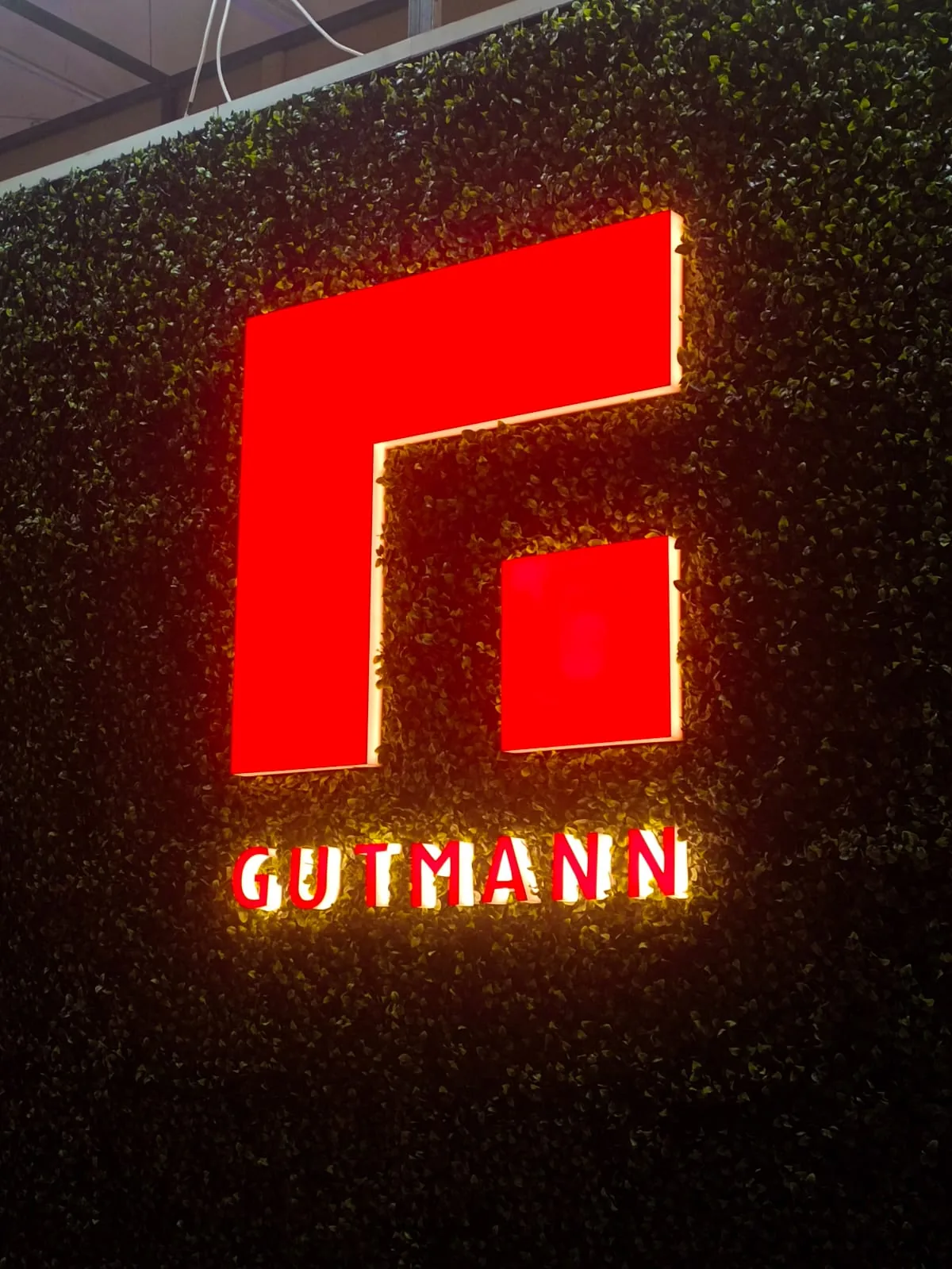
Emboss Letters (3D Signs)
Precision-fabricated 3D letters and logo signs for building facades and shopfronts in Riyadh.
Learn more →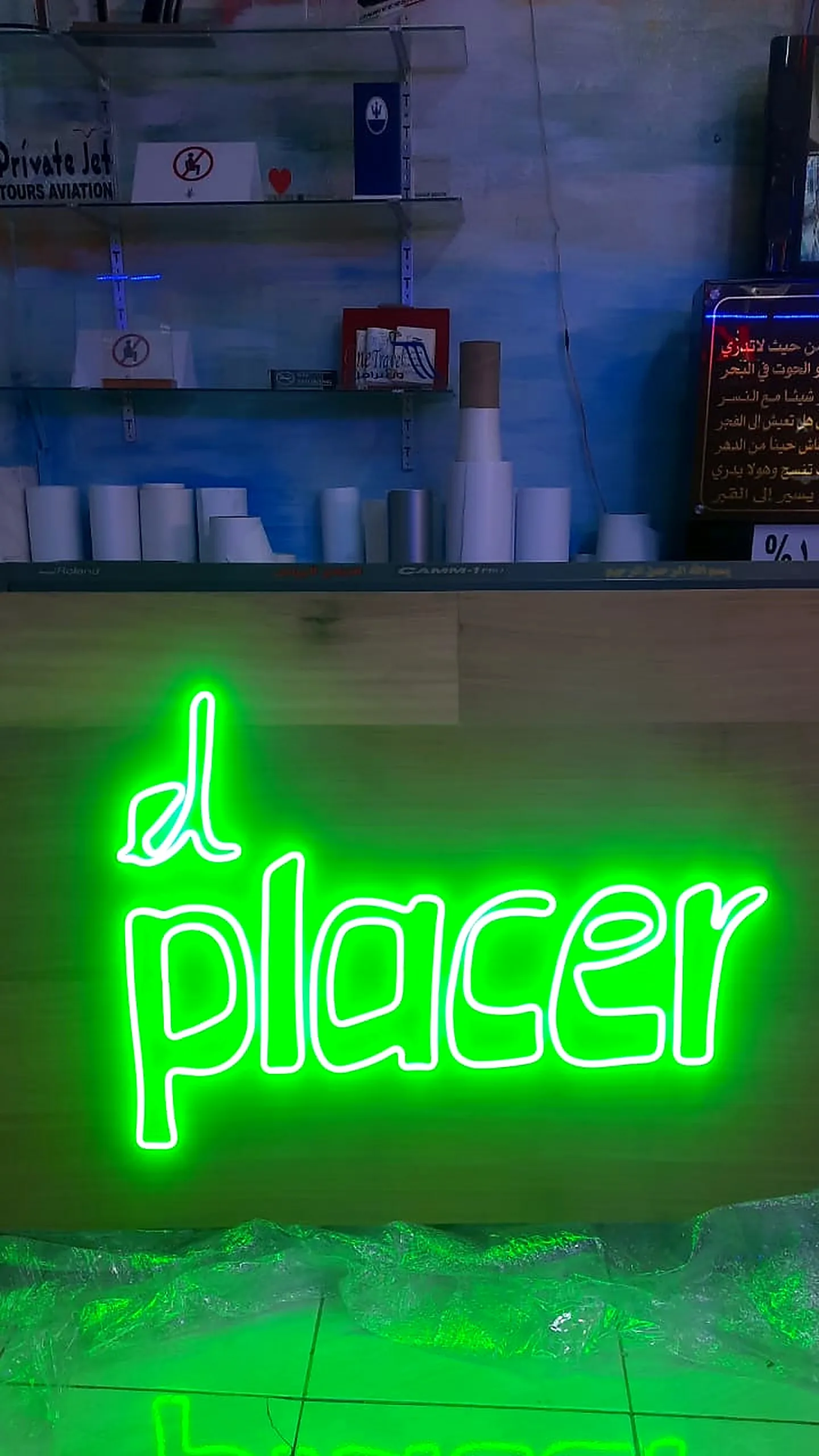
LED Neon & Glass Neon Signs
Energy-efficient LED neon and authentic glass neon for restaurants and retail in Riyadh.
Learn more →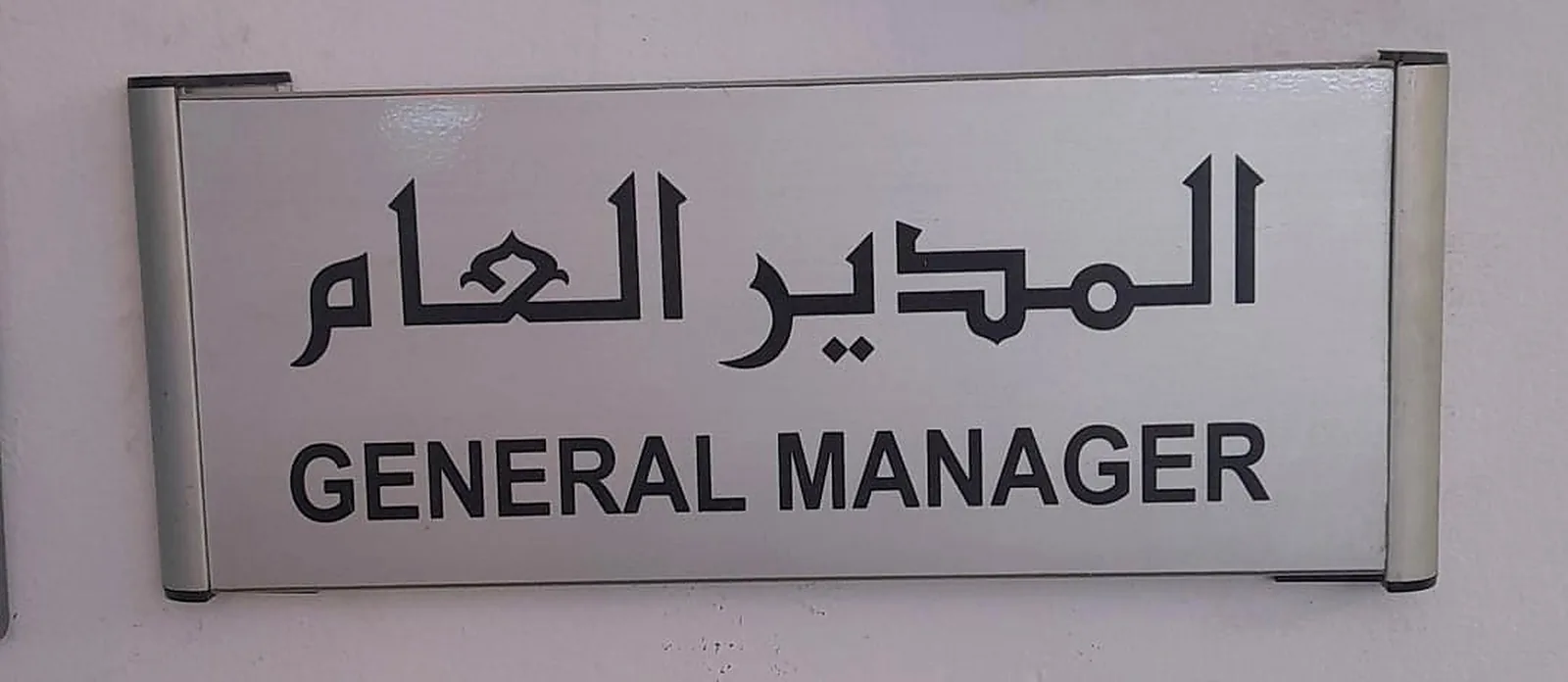
Indoor Signage
Reception logos, wayfinding and door plates for offices and clinics.
Learn more →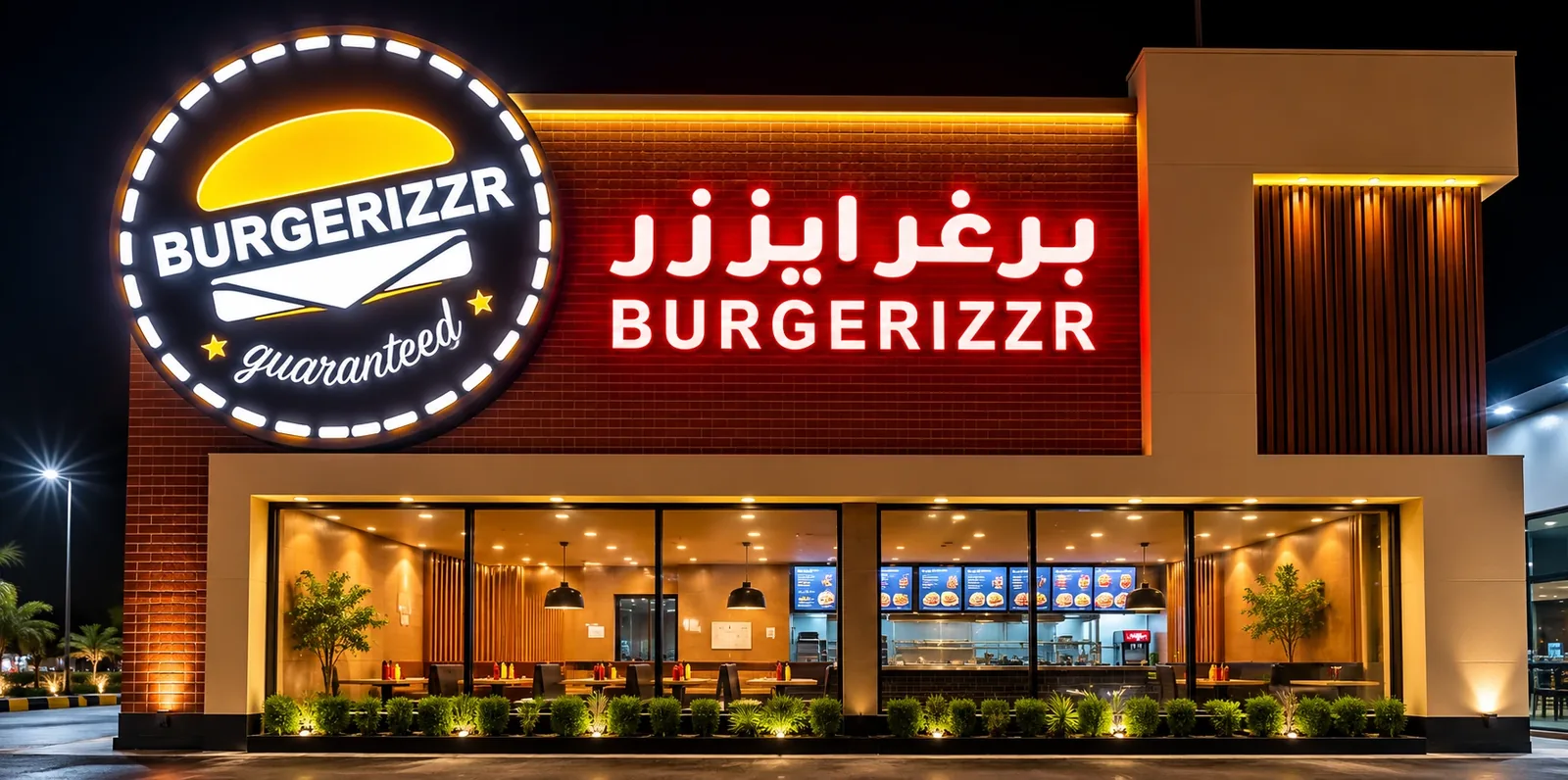
Outdoor Advertising & Billboards
Rooftop signs, billboards and fleet wraps built for Riyadh climate.
Learn more →
Banner & Flex Printing
Large-format flex, vinyl and roll-up printing in 24-48 hours.
Learn more →
Laser Cutting & Engraving
CO₂ and fibre laser cutting for acrylic, steel and wood.
Learn more →